Latin America launches a new scientific alliance from Chile to sequence the region’s biodiversity
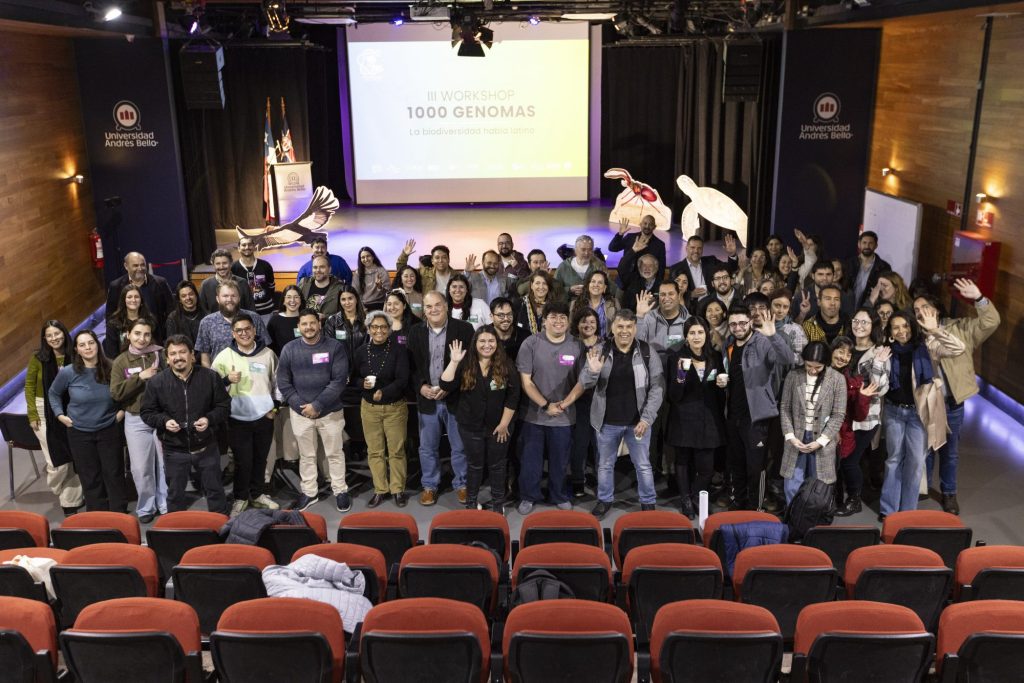
The third 1000 Genomas Chile Workshop brought global genomics leaders to Santiago and launched the Latin American Biodiversity Genomics Network
Genetics as a window onto the past and future: Juliana Vianna joins a scientific conversation at Puerto de Ideas Antofagasta 2026

What does DNA tell us about who we are? How much of our history is written in our genes, and how much depends on the environment? These were among the questions guiding “Genetics of the
Gentoo penguin DNA reveals how the Southern Ocean is shaping their evolution—and why they are not all alike
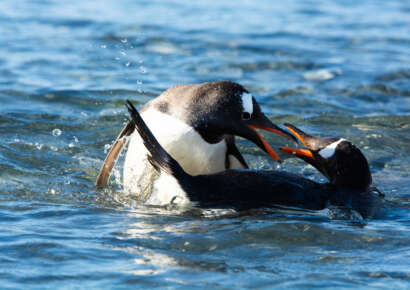
A recent large-scale genomic study shows that what we considered “one species” may actually comprise four distinct lineages, each adapted to its own environment. The research has direct implications for their conservation under climate change.
DNA Day: reading the secret book of Chilean biodiversity

In the Atacama Desert, where years can pass without rain, plants bloom. In the temperate forests of the south, alerce trees more than three thousand years old continue to grow. On Chile’s Pacific islands, entire
Colegual rural school students discover the forest’s DNA at the “Science in Your Hands” workshop in Frutillar’s Science and Nature Biopark
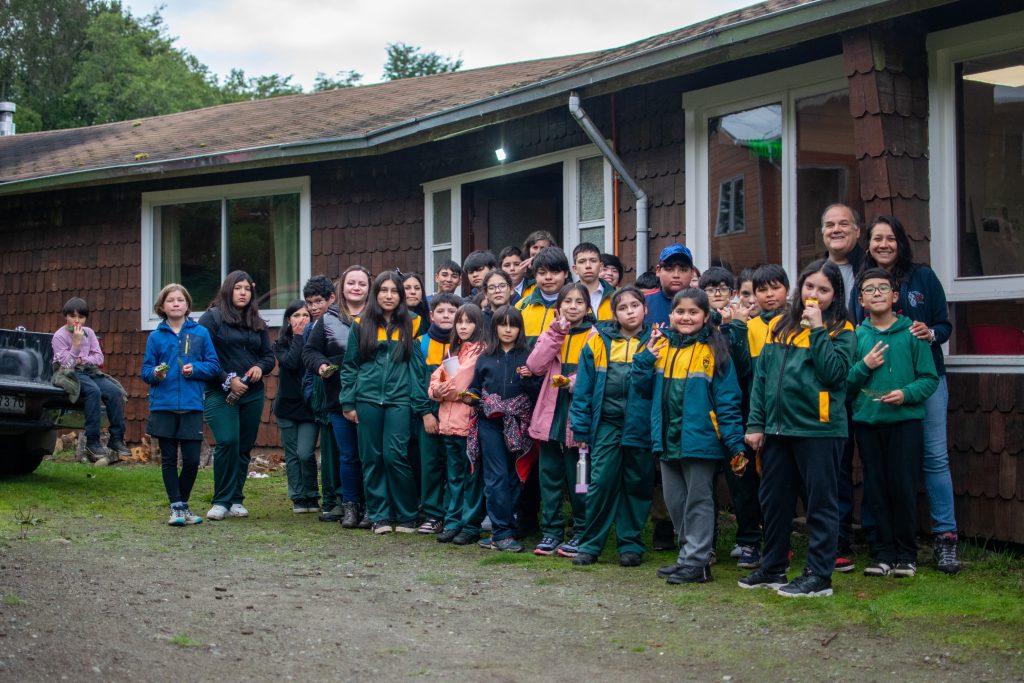
At the heart of Universidad de Chile’s Frutillar Experimental Station, science became a tangible experience rather than an abstract idea. Fifth- through eighth-grade students from Escuela Rural de Colegual joined the “Science in Your Hands”
Science and Nature Biopark: the CRG-backed project seeking to transform conservation in Frutillar
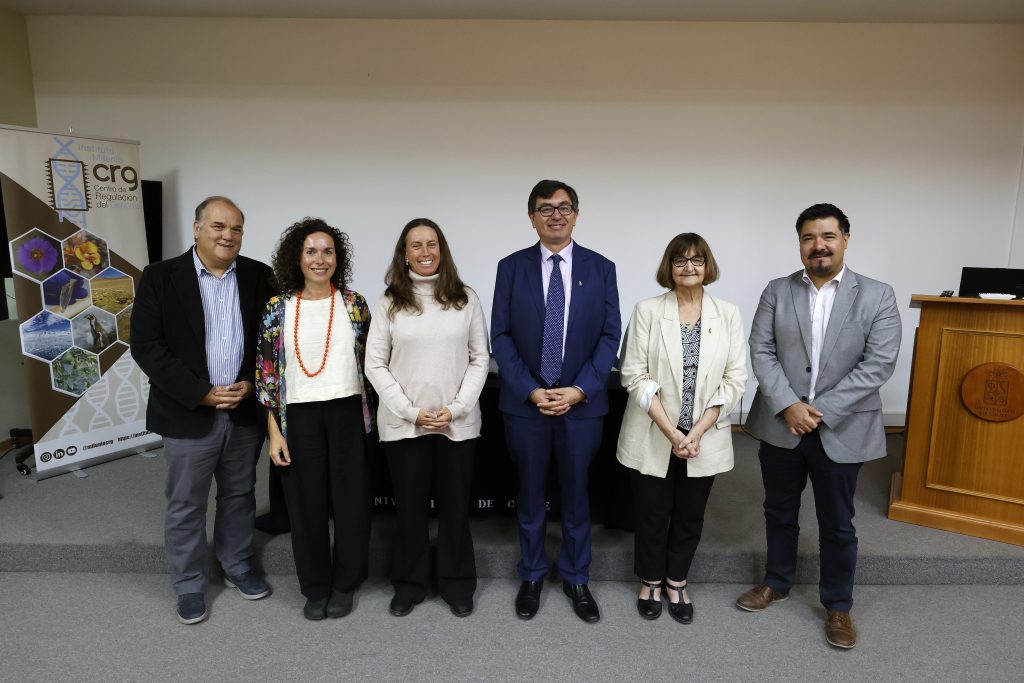
Through an unprecedented alliance between academia and environmental organizations, Universidad de Chile will open its Frutillar Experimental Station to the community in a renewed setting integrating scientific research, education and conservation. The Science and Nature
Extreme viruses: the invisible guardians of El Tatio’s geysers
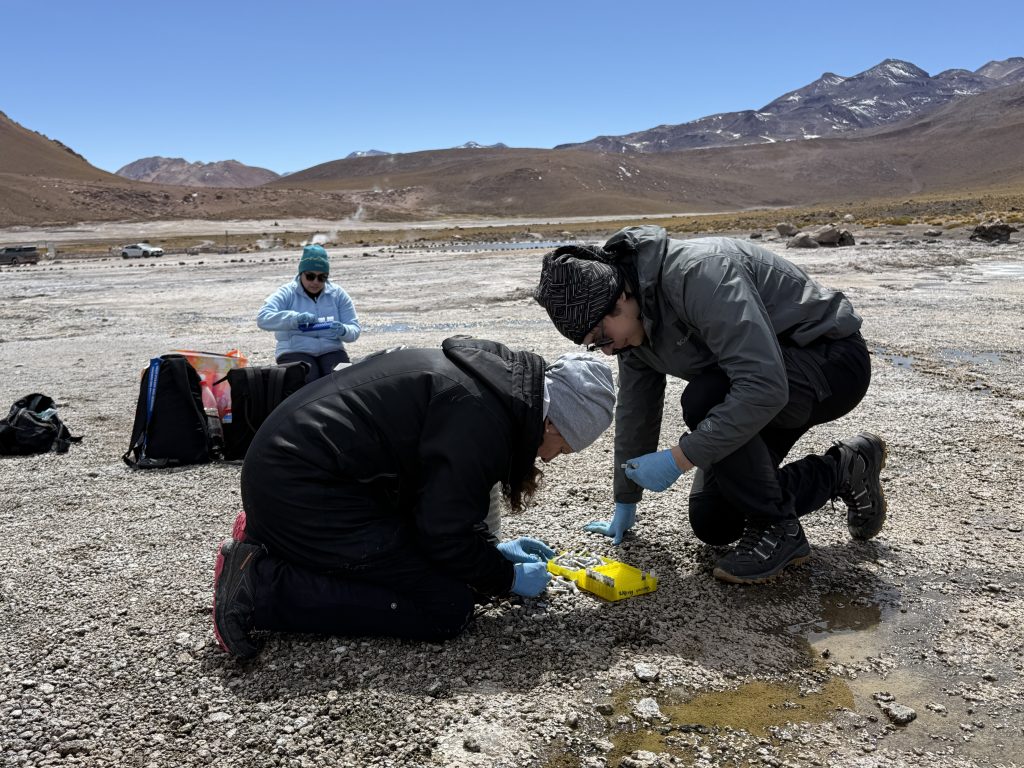
At El Tatio’s geysers, viruses are guardians of microbial life and hidden drivers of evolution in some of Earth’s most extreme environments
The hidden viruses of Chilean Patagonia
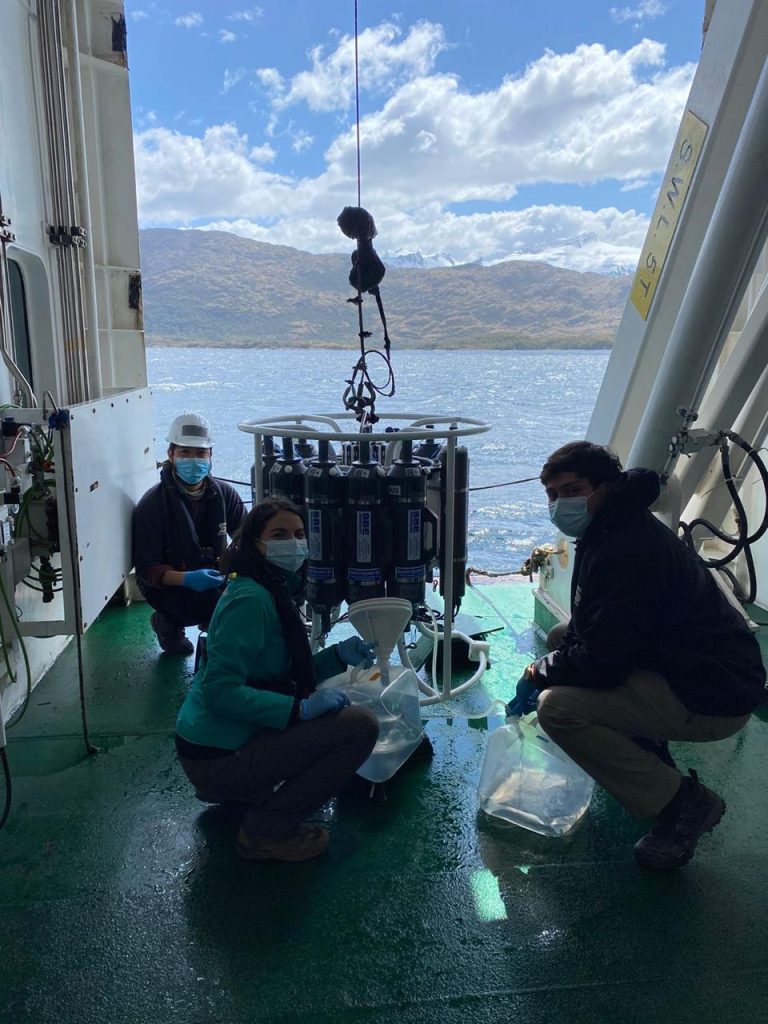
The invisible viruses sustaining Patagonian fjords are about to face their greatest challenge: heat
Monte Verde no longer anchors the peopling of the Americas: new study questions its age
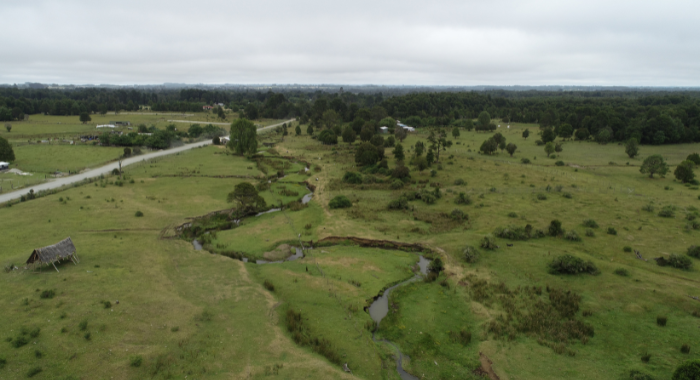
An international team including Chilean researchers publishes today in Science the first independent investigation of the site in almost 50 years. Its conclusions are striking: the famous archaeological site in southern Chile could be only
Women researchers from across Chile meet at PUCV to discuss decentralisation and the gender gap in science
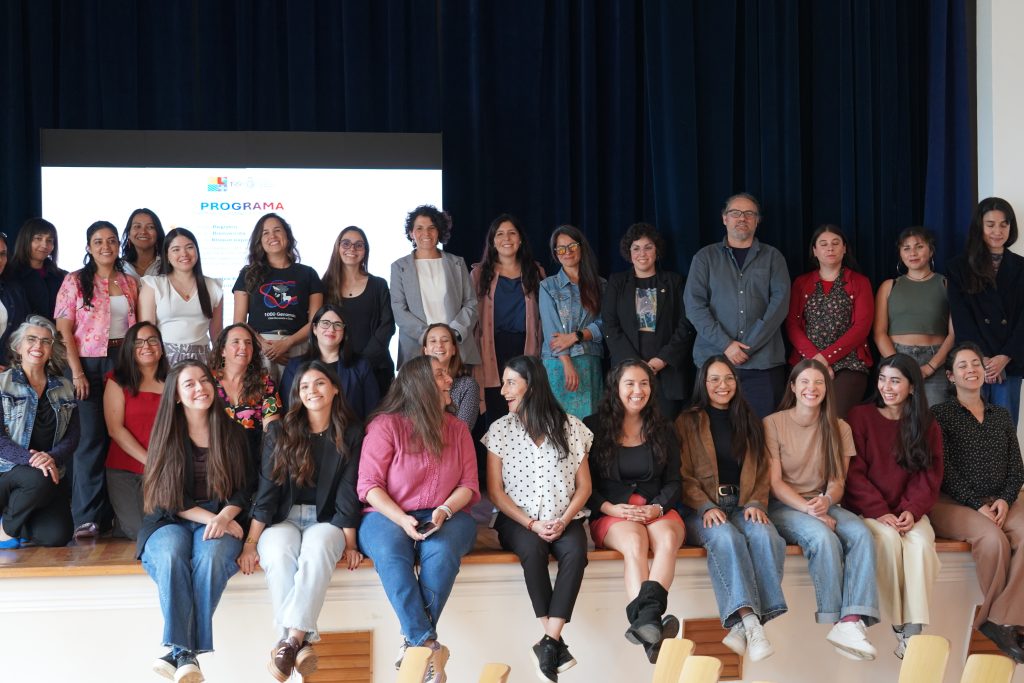
Photo: Millennium Institute BASE/Antonieta Mackenzie