
Adapting to drought: the secrets of Atacama Desert plants
A team led by Dr. Rodrigo Gutiérrez of Universidad Católica recently published an article in The Journal of Experimental Botany revealing the survival strategies of plants in the Atacama Desert, one of the driest places on Earth. The research explores the metabolic adaptations—the chemical reactions needed for organisms’ development—that enable them to withstand adverse conditions such as drought and nutrient scarcity.
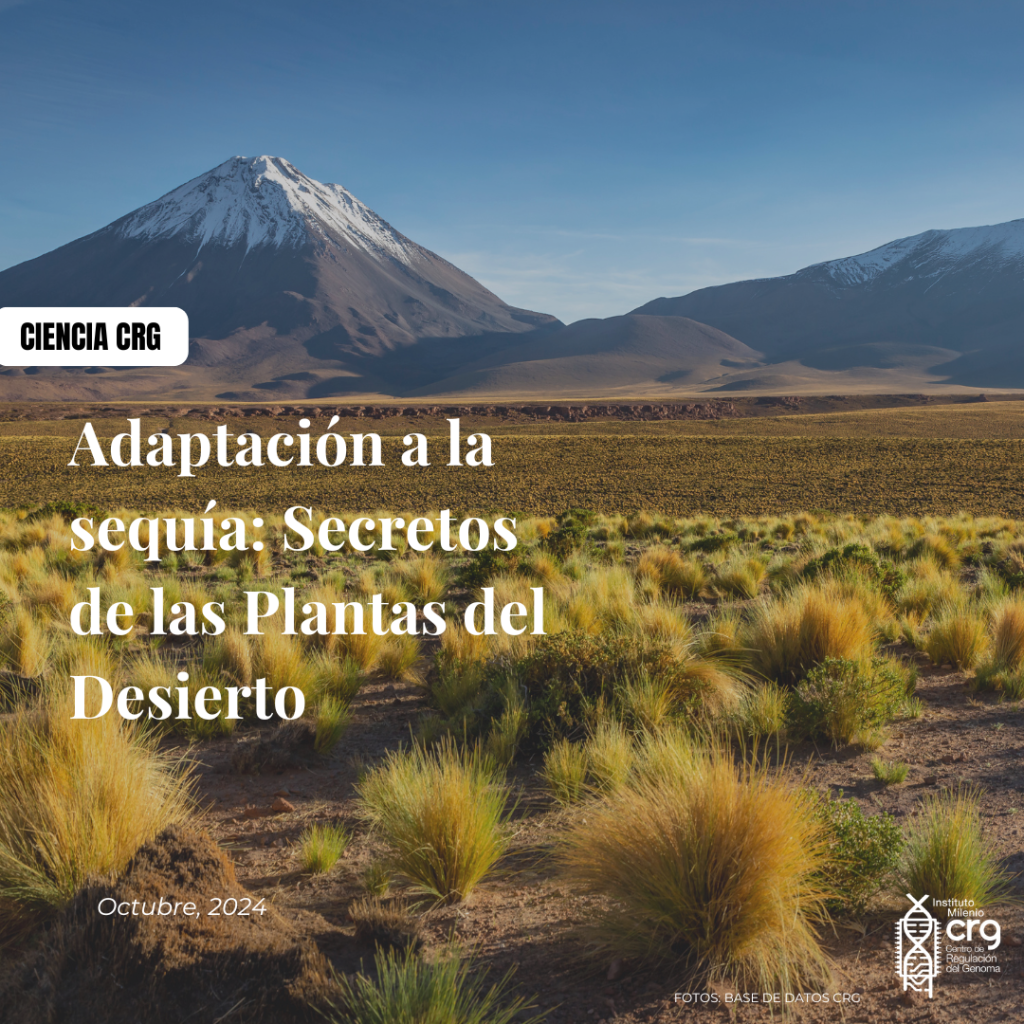
What did the scientists do? Using genetic material and bioinformatics tools, the team reconstructed the main metabolic pathways of 32 Atacama Desert plant species. To assess their specific environmental adaptations, they compared them with related species that do not live in the desert. They also evaluated how these pathways were specifically adapted across different desert zones.
What did they discover? The researchers found that at least 50% of Atacama Desert species share certain enriched metabolic reactions that may provide special advantages against drought and nitrogen scarcity, enabling survival in these harsh conditions—almost like their own “superpowers.” One example is an enhanced ability to conserve water and nutrients. These pathways are not exclusive to Atacama plants: species elsewhere, including valuable agricultural crops, also possess them. However, Atacama species appear to have optimized these processes.
Why does it matter? Understanding these mechanisms improves our knowledge of how plants survive adverse conditions. Finding common features with commercial species could open new strategies for improving agricultural crops’ resistance to environmental stress.
In a world where climate change is increasing aridity and agricultural challenges, these discoveries could be key to developing more resilient, sustainable crops. The study offers valuable insight into how nature meets extreme challenges and how we can learn from it to secure our food future.
Article link: https://academic.oup.com/jxb/article/75/11/3596/7628036